
 Koi & Ornamental Ponds
 Aquariums, Zoos & Life Support
 Natural Swimming Pools & Ponds
 Live Seafood Holding
 Aquaculture, RAS & Aquaponics
 Swimming Pools & Leisure Water
 Water Features & Architectural Water
 Irrigation & Horticulture
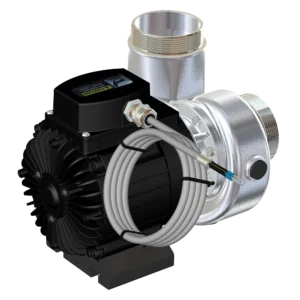
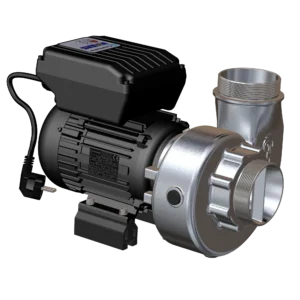
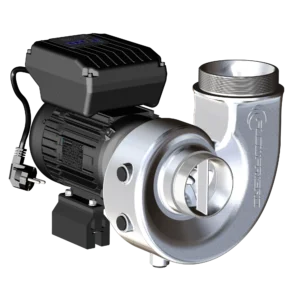
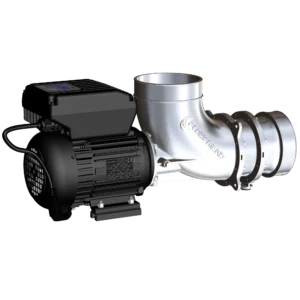
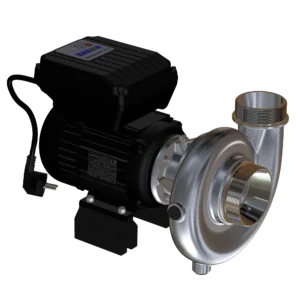
In circulation pumps, technology decides whether you get years of efficient running or a cycle of breakdowns and wasted energy. Many pond pumps still use a wet rotor design. FlowFriend deliberately takes a different path: a high-efficiency, dry-running motor.
That choice is about quality. A dry-running FlowFriend delivers high efficiency, minimal maintenance and long service life, and consistently outperforms wet rotor pumps. Here is what makes the difference.
What is the difference?
The rotor runs submerged in the pumped water, which cools and lubricates the motor. The stator is potted in resin and separated from the rotor by a thin metal shell known as the can. The design is compact and cheap to make, but it carries some serious drawbacks.
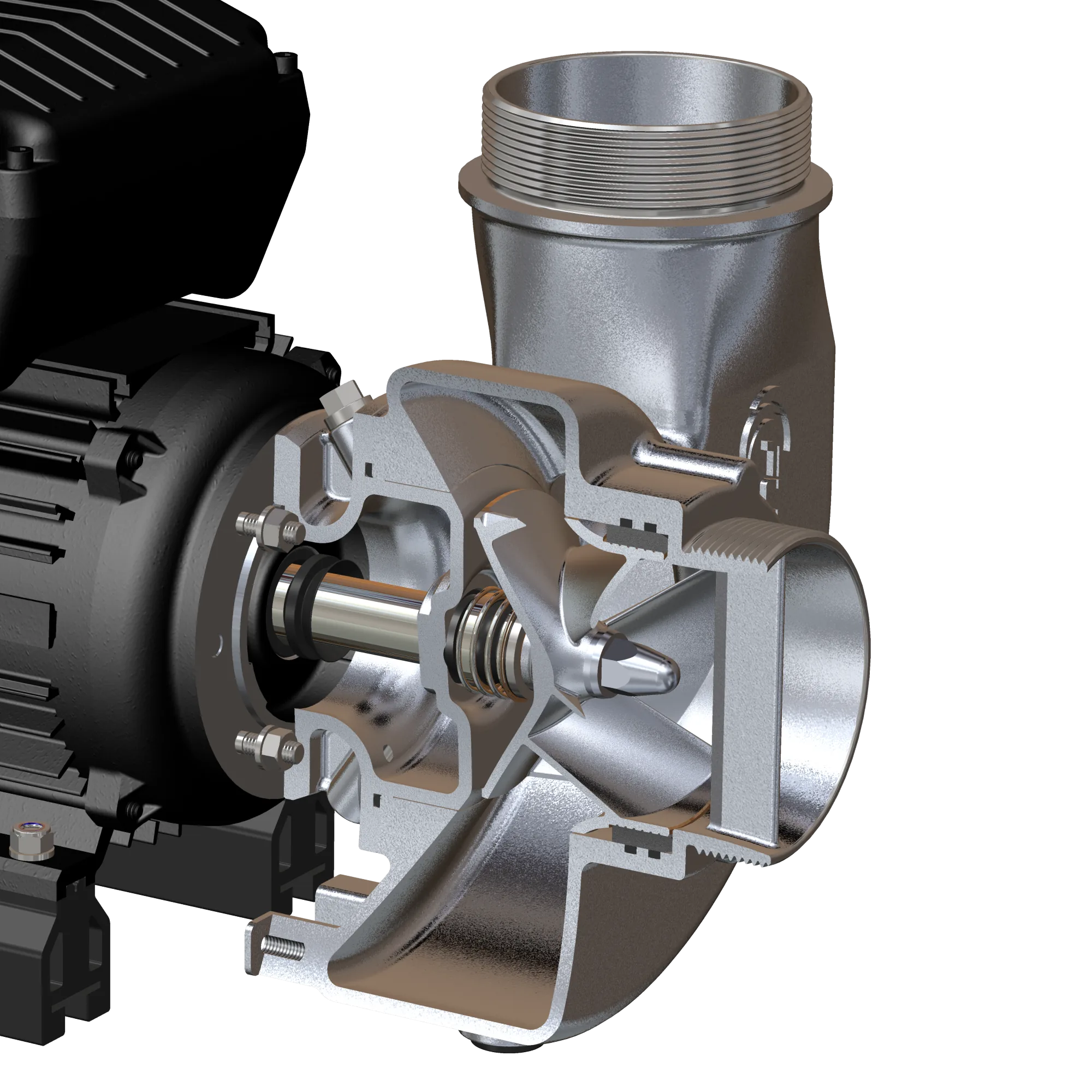
The motor sits entirely outside the water and runs in air, on industrial grease-lubricated ball bearings, with a robust mechanical shaft seal between motor and pump. The result is higher efficiency, smoother speed control and a far longer life.
Where FlowFriend pulls ahead
Higher efficiency
There is no rotor drag in water, so losses scale cleanly as speed changes. FlowFriend’s PMSM motor reaches up to 94% efficiency.
Long-life bearings
Sealed, lifetime-greased industrial ball bearings rated beyond 100,000 hours replace the water-lubricated slide bearings that wear quickly in hard or dirty water.
Built to be maintained
Construction is modular, so the impeller, seal and motor parts can all be replaced. There is no potted stator to throw away when something fails.
Proven mechanical seals
FlowFriend uses Eagle Burgmann mechanical seals in silicon carbide, carbon and Viton, a specification proven in industrial service.
Resistant to lime, silt and debris
No water flows through the motor, so there is no risk of it seizing or being damaged by scale or dirt.
Safer by design
There is no can to corrode and fail, and so no route for mains voltage to reach the water.
Power losses at reduced speed
In a dry-running pump, flow, head and power follow the affinity laws: flow is proportional to speed, head to its square and power to its cube. Lower the speed and energy use falls steeply while efficiency stays high.
In a wet rotor pump, the rotor is always spinning in water. That creates internal resistance which does not fall away with speed, so at low rpm the pump keeps drawing power while delivering little flow. FlowFriend avoids this altogether by keeping the motor dry.
At low speed a wet rotor pump keeps paying for drag it cannot shed. A dry-running pump simply uses less.
The hidden weaknesses of wet rotor pumps
Most wet rotor pumps rely on a stator that cannot be repaired, slide bearings that wear quickly in hard water or silt, and a thin metal can that is prone to corrosion. Any internal leak or bearing failure usually means replacing the whole pump.
The smart choice
Whether you run a high-end koi pond, a drum filter system, an aquaculture facility or a public aquarium, a dry-running FlowFriend gives efficient, quiet and controllable performance for years. Find out more about how FlowFriend pumps are built, or read how the affinity laws turn speed control into savings.
Not sure which FlowFriend suits your system?
Our resellers and technical team can help you match a FlowFriend to your flow, head and running hours.

